

The people, risk, and strategy behind downtown Mankato’s $500 million reinvention
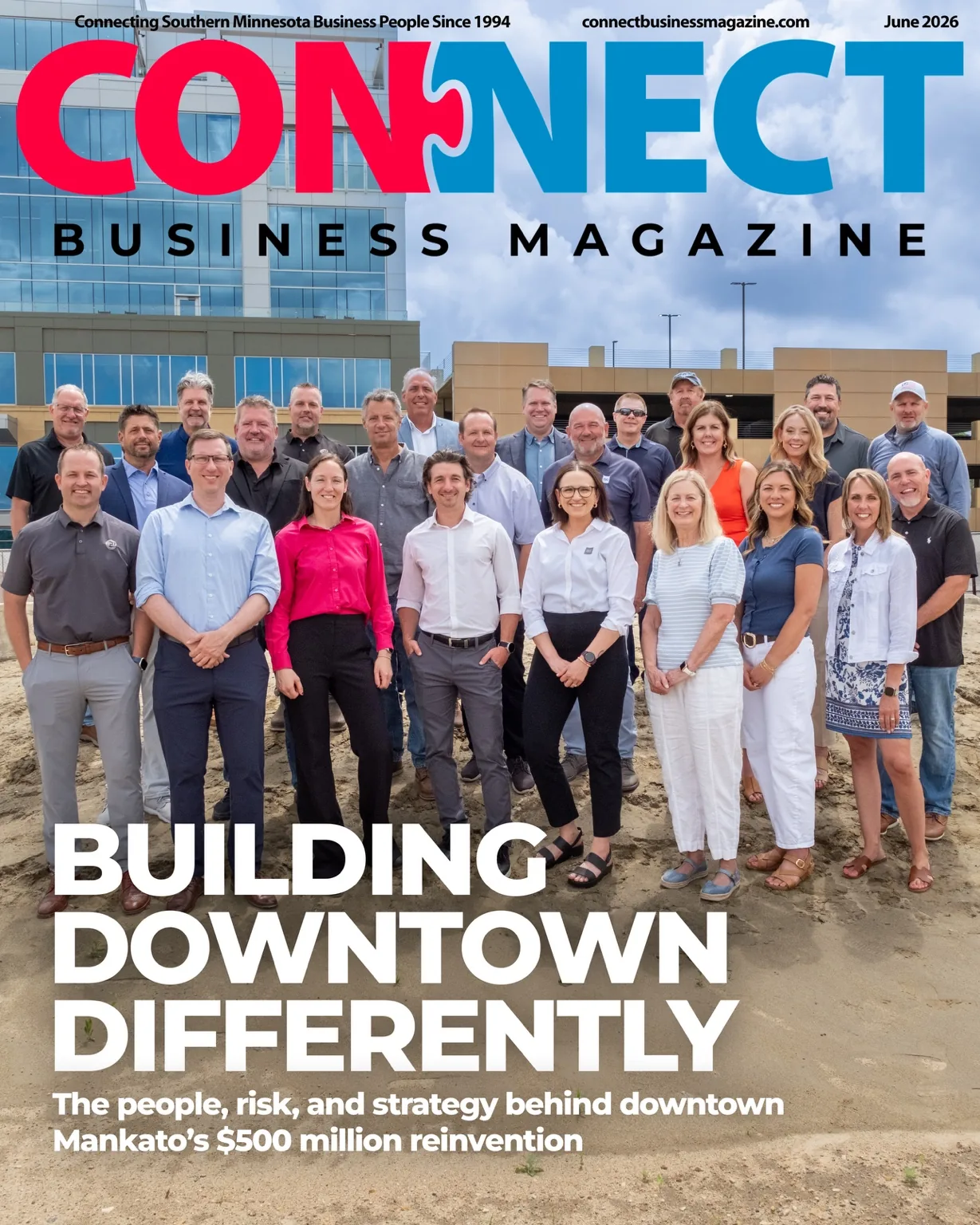
Photography by Jesse Yeakle
For more than two decades, Bryan Sowers lived in the predictable rhythms of banking: studying balance sheets, measuring risk, building relationships, and quietly serving his community through civic involvement. His days were spent inside a downtown Mankato office, focused on the numbers that keep businesses moving.
Then he stepped away from banking. And as he stepped out of that downtown office one final time, he saw things in a whole new light.
“It was missing vibrancy and people,” Sowers said. “I immediately started thinking about what it would take to make the downtown lively again. You know, 35 years ago we had retail and we were a bustling hub. But we’ve been struggling since to figure out who we are. Where is that sense of community? That’s what I set out to find.”
What began with Sowers’ own questions about downtown quickly became something broader: a coalition of investors, contractors, employers, and civic-minded leaders willing to test a different way of building in a regional city.
Sowers pivoted his role in the community by building on an idea that he had used in one form or another over his professional life: systems thinking. For Sowers, the systems thinking approach originated from his leadership experiences in the nonprofit sector, co-leading a transformation of the Mankato Area Foundation. He also used it in his civic leadership role with GMG in the City Center Partnership. His time there is best known for the Silo Art project. All of those experiences played a role in his new mission to reinvent downtown with an underlying focus on the connectivity of everything. Applying systems thinking makes this new wave of downtown development more than just a collection of different projects and investments, but rather a different model for building in a regional city: shared risk, local ownership, housing density, collaboration, and a long-term bet on downtown as a place for people. Sowers embraced his new role as a catalyst, convener, investor, and advocate and got to work.
He found an obvious starting point, the hotel site at the corner of Main and 2nd Street. It was already in the early stages of development planning, with plans to make it a Holiday Inn. Jon Kietzer of Landmark Real Estate was involved in that venture and reached out to Sowers. Both men thought the site had more potential and wanted to build something there that was in better alignment with the mission of the civic center and supporting other downtown activities. So, that was the beginning of not only the next stage in Sowers’ professional life, but the next stage in the life of Mankato as a regional hub as well.
With renewed perspective, Sowers knew the approach to revitalizing the downtown area would also have to be fresh: forward looking and innovative. And he knew he couldn’t do it alone. He also understood it would take more than people with money to invest to make it work. It would take people from the community invested in other ways that would make a difference. Mankatoans who cared about the community and its future beyond themselves. Investors with a personal connection.
He didn’t have to look far. For years, he had shared a building with ISG and Chad Surprenant.
“I knew Chad Surprenant and ISG would be important voices in any downtown plan,” Sowers said.
Founded in 1973, ISG is a multidisciplinary design and engineering firm with a significant presence in downtown Mankato and a long history of work across southern Minnesota.
Born and raised in Mankato, Surprenant has had a front row seat to downtown’s evolution over the last five decades.
Surprenant said, “I recall the good old days when retail and business were key drivers downtown; you dined well, bought your clothes and shoes, pursued hobbies at places like Don’s Hobby Store, and did much of your everyday shopping downtown. I recall the excitement (short-lived) of the downtown mall when Front Street was covered for two blocks to create a comfortable four-season shopping experience. I remember 1982 when the HECO building (now ISG’s office) was built.
“After retail left downtown, a catalytic injection was needed and that’s what the civic center provided,” Surprenant continued.
“Fast forward 10 years to 2003 and ISG was outgrowing its office space outside of downtown. There wasn’t much happening yet in downtown. Then, in partnership with Tony Frentz and Rob Else, when the HECO building was up for sale in 2009, ISG was contacted to be a tenant and design partner. It was a significant watershed moment for Frentz/Else and downtown revitalization. A simple project and investment that changed downtown Mankato.”
With Surprenant sharing Sowers’ vision, two other familiar names joined their team.
“I then looked to Tony Frentz and Rob Else who helped lead the charge with what I call Phase 1 of downtown revitalization with the buildings they put up. They had already invested millions and were integral to helping stabilize the downtown with new economic momentum,” Sowers reflected.
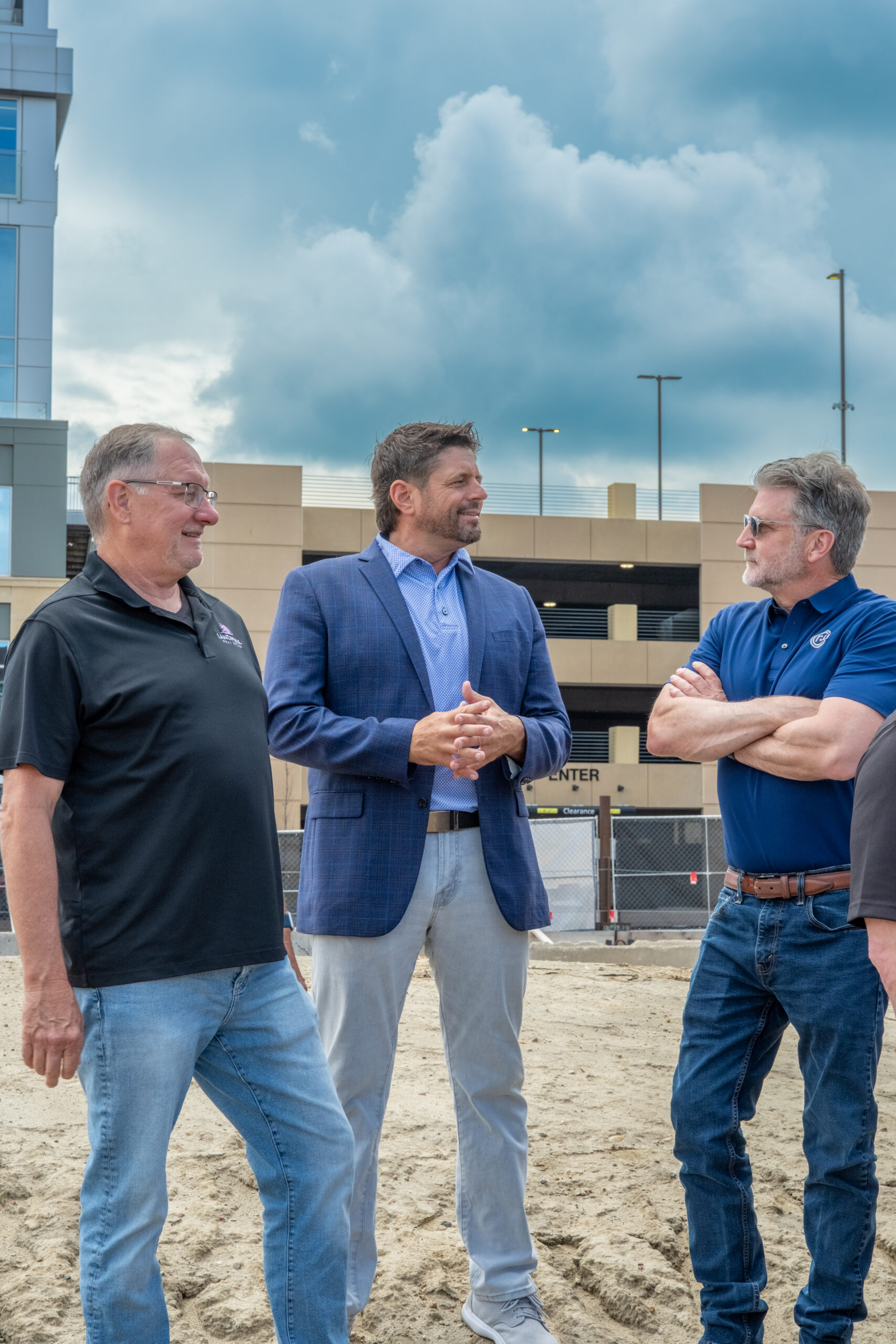
Jon Kietzer, Todd Loosbrock, and Scott Umhoefer on site at the Hotel Mankato development.
From there, Sowers said, he sought other community-minded leaders that saw the same potential for a coordinated downtown plan: Kyle Smith, and with Frentz’s advocacy, his former U.S. Bank colleague Todd Loosbrock.
Sowers explained, “So, a lot of it was saying, ‘Who are the minds we need to get together? Who can execute and do this? Who in this community is willing to make this next big play and get this going?’”
With this core group of investors committed, planning for “phase two” of downtown development began with a hotel project. It was a project mired in geopolitics and economic factors beyond their control. But over the two years it took the group to sort those out and settle on a design, it became clear to them that the hotel site could be a springboard for other investment in the community. Sowers’ simple observation leaving the office that day started growing into something far bigger: a sweeping, collaborative effort to reimagine downtown Mankato as a dense, walkable, experience-driven urban core: one that mixes housing, retail, hospitality, and public space in a way the city hasn’t seen before. His vision grew as he and his team started identifying other sites around downtown that could be developed. The general premise was to connect the work to the region’s Transforming Tomorrow Together plan with a strategy to transition downtown into a vital amenity for Greater Mankato.
“After partnering with design and city development leaders, we drafted a $500 million Small Area Plan for downtown Mankato that would have the capacity to exceed $1 billion over the next 10-plus years. We started seeing how the hotel could fit into a much bigger picture. We knew the hotel could be the start of something special, so we asked, ‘What does the community need? What does the region need?’ From there, it took on a life of its own.”
Thinking in systems, not single projects
One of the more interesting aspects of this approach is that it’s not centered on a single marquee development.
Instead, it’s built around a network of interconnected sites, what Sowers calls “dominoes.”
“These buildings we identified are 50 to 100-plus years old,” he said. “You can’t just do one project and call it done. You have to think in terms of a system, how each piece supports the next.”
In total, eight strategic sites are initially being positioned to drive the transformation with other downtown site owners showing interest in being a part of the next steps.
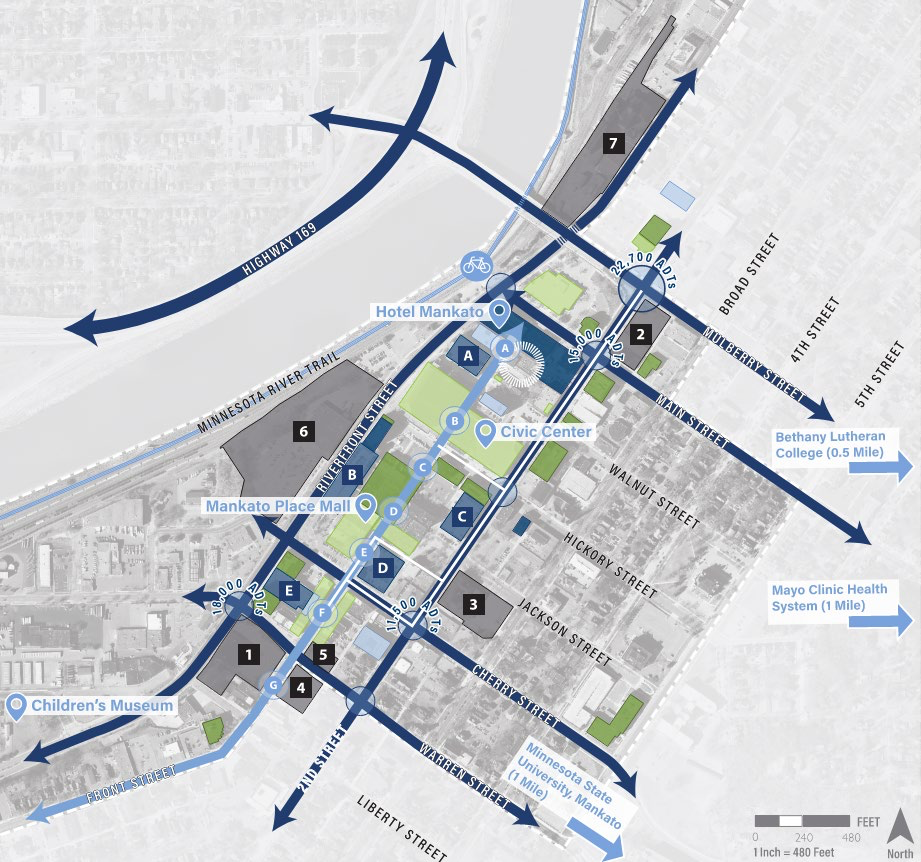
Among them:
- Hotel Mankato
- The former Walgreens site (1)
- Midtown Bank formerly Voyager Bank (2)
- The Post Office redevelopment (3)
- Wagon Wheel (4)
- Ummies Lot (5)
- Hy-Vee (6)
- Hubbard Mill (7)
Each site plays a role in reinforcing the broader ecosystem, adding housing here, activating street-level retail there, strengthening key corridors and pedestrian flow throughout. Sowers is co-leading the Hotel, Walgreens site and Post Office projects, while working with ISG on executing the downtown plan overall.
Financing differently: “100 balance sheets”
If the vision is ambitious, the financing model behind it is just as notable.
Rather than relying on a handful of large developers, Sowers is pursuing what he calls “100 balance sheets.”
The idea is simple but powerful: bring together a broad group of local investors, each contributing smaller amounts to collectively fund large projects.
“It’s unrealistic to expect two or three people to carry out a $100 million project,” Sowers said. “But if you bring in many, everyone takes a smaller piece, and together, you make big projects possible.”
Already more than 30 local investors have committed, many working together for the first time. Another growing list is the number of local contractors involved in the project, many of which are also investors.
The benefits are significant:
- Capital efficiency and prioritization of projects aligned with regional planning
- Risk is distributed across many participants
- Ownership stays local, building a sense of achievement that is both seen and experienced
- Community buy-in increases as more ideas generate better results
- Projects become more resilient to individual setbacks
Each project operates with structured governance, including boards and professional advisors, to ensure transparency and accountability.
“It’s an investment to create a resilient generational approach that enhances stable returns for many, while removing the old, siloed approach that creates succession issues,” explained Sowers. “Building resiliency into our communities is as important as it is for long-term stability of a business. How we all work together is the key difference that gives the community capacity to level up, while addressing how to leave it better than we found it.”
What began as a personal realization for Sowers is now evolving into a half-billion-dollar redevelopment strategy that could reshape the city.
For Sowers, the model is also about making downtown development more durable. By spreading ownership, risk, and decision-making across more people, he believes the community is less dependent on one developer, one project, or one generation to carry momentum forward.
“The result is a change in how we work with one another,” Sowers said. “It’s a model that brings together more people who care about the power a sense of community provides and what that means for family life in Greater Mankato.”
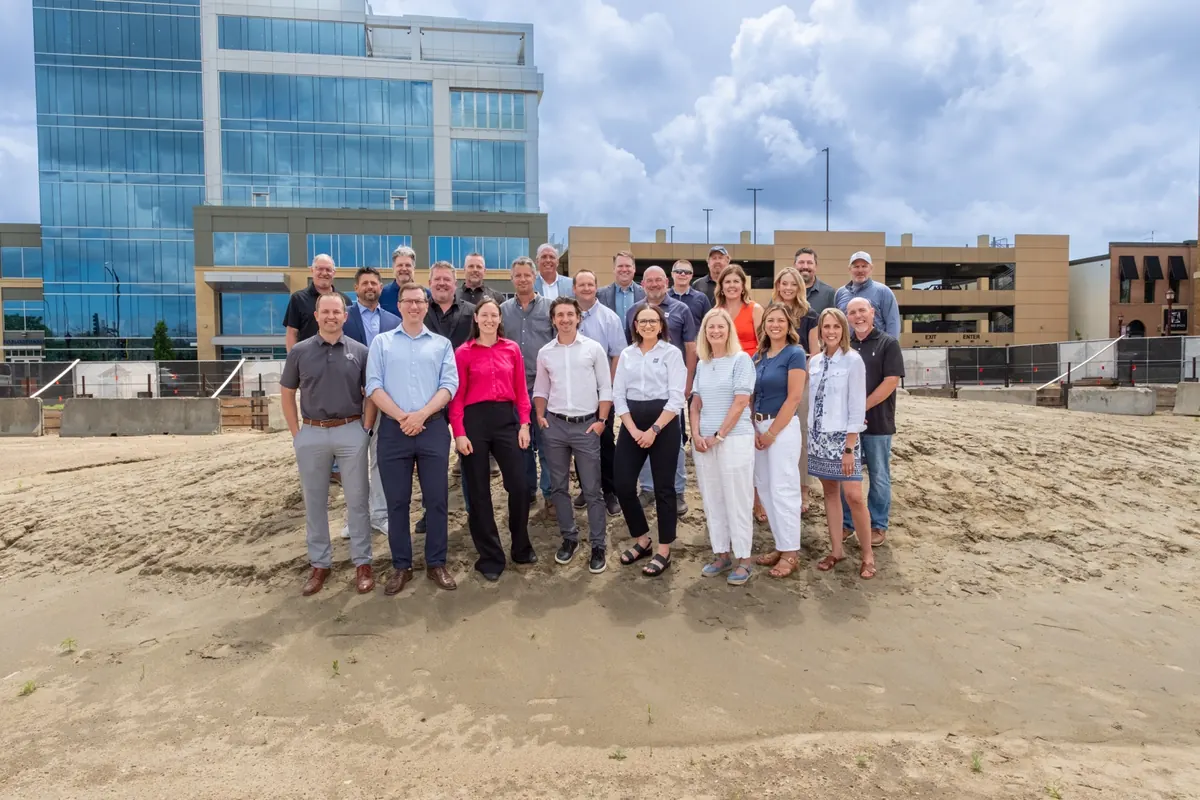
Pictured, front row, left to right: Danny Umhoefer, RW Carlstrom Construction; Jeremy Weisen, ISG; Lindsey Davidson, ISG; Nathan Hermer, ISG; Samantha Boeck, ISG; Kathy Aamot, TPI Hospitality; Gina Miller, TPI Hospitality; Kelly Basham, TPI Hospitality; Joel Danko, TPI Hospitality. Second row, left to right: Todd Loosbrock, Core Holdings; Rob Else, Core Holdings; Tony Frentz, Core Holdings; Joey Wendinger, ISG; Chad Surprenant, ISG; Beth Altergott, TPI Hospitality; Dee Anne Osborne, TPI Hospitality. Third row, left to right: Jon Kietzer, Landmark Realty; Scott Umhoefer, RW Carlstrom Construction; Jeremy Hatlevig, RW Carlstrom Construction; Bryan Sowers, The SCI-CRIIM Group; Chris Flagg, TPI Hospitality; Kevin Hauschild, BLK Electric; Robert Noy, Noy Properties; Nick Pietsch, Pietsch Construction; Kraig Terlinden, Atlas Contracting.
Built With the Community
This new chapter in Mankato is defined not just by new buildings or revitalized streets, but by a spirit of collaboration. What began as a shared vision among a small group of developer-owners has grown into a broader community effort, bringing together local expertise, trusted partnerships, and local investment to shape something lasting. The leadership of this endeavor set the tone early: this would not be a project done to the community, but one built with the community.
That vision quickly resonated with an impressive group of contractor-investors, many of whom are deeply rooted in the region. Their involvement reflects both confidence in the development and pride in contributing directly to its success.
Local contractors such as RW Carlstrom Construction (Scott and Danny Umhoefer), Wells Concrete (Dan Juntunen and Jon Feist), BLK Electric (Kevin Hauschild), Pietsch Construction (Nick Pietsch), Harty Mechanical (Patrick Harty), and Atlas Contracting (Kraig Terlinden) are playing a pivotal role in bringing the development to life. These are not distant firms working from afar. They are businesses with deep local ties, investing their time, resources, and reputations into a project that will directly affect the community they call home.
The City of Mankato itself, through leaders Susan Arntz and Mark Konz, has stepped forward as a partner, showing how public and private sectors can align around a shared downtown vision.
Supporting this effort is a group of individual investors whose belief in the vision helps ensure its momentum. Robert Noy, Julie Fallenstein, Heidi Boyum, Lee and Jane Carlstrom, Jeanie Lance, Jeff Thom, and Heather Madison represent a cross-section of community advocates who understand the long-term value of a strong and dynamic downtown. Their investment reflects trust, not only in the project itself, but in the people behind it.
Together, these groups form more than a development team. Each participant, from developer to contractor to investor, brings a unique perspective and contribution, yet all are aligned by a shared goal: to create a downtown district that is vibrant, welcoming, and built to last.
A model meant to outlast its creators
Sowers is quick to point out that this isn’t about one person, or even one group, driving every project.
“The goal is that others pick up the next projects,” he said. “This isn’t about one team doing everything. It’s about creating a model that lives on.”
That philosophy extends to the broader strategy as well:
- Encouraging consortiums to tackle housing and transportation challenges
- Leveraging local research and institutional expertise
- Adopting modern urban design trends
- Attracting new capital partners while sharing risk
It’s a framework designed not just to build projects but to sustain momentum. This model is not just shared risk. It provides continuity. It creates a structure where downtown momentum doesn’t depend on one developer, one family, or one generation carrying everything.
A $500 million bet on downtown’s future
At the center of the transformation is a comprehensive Small Area Plan, completed in 2025, that lays out more than $500 million in long-term investment. It’s ambitious by any standard, especially for a regional city like Mankato, but it’s also intentionally grounded in a practical, phased approach.
The goal is clear: create a more livable, walkable, and vibrant downtown that draws people in not just during the workday, but nights, weekends, and year-round.
And it’s not just about aesthetics. The plan targets real outcomes:
- 800+ new multifamily housing units (with projections as high as 1,000 over time)
- More than 1,200 additional residents downtown
- 400+ daily visitors
- Expanded retail, office, and hospitality space
- Improved pedestrian connectivity and shared parking systems
It’s the kind of layered urban environment that many mid-sized cities are chasing, but one that requires careful alignment between public policy, private investment, and community buy-in.
Housing as the backbone of everything
If there’s a single idea holding the entire strategy together, it’s this: people create energy.
Sowers and his partners believe that without a critical mass of residents, downtown Mankato will struggle to sustain the kind of shops, restaurants, and nightlife that define thriving urban districts.
“This is about creating a place where people want to be around people,” he said. “We’re building an environment where social interaction, retail, and hospitality all feed off each other.”
The numbers back that up. Over the next 10 years, the initiative aims to bring between 700 and 1,000 new housing units downtown, potentially adding up to 1,500 permanent residents.
That shift alone would fundamentally change how downtown functions, moving it from a largely daytime business district to a 24/7 neighborhood.
The plan behind the push
The current wave of momentum didn’t happen overnight. It’s the product of a nine-month planning effort led by Sowers and ISG, with strategic input from City of Mankato development staff.
The Small Area Plan focused on one central question: how do you increase density in a downtown that wasn’t designed for it?
The answer, it turned out, hinged on something deceptively simple. Parking.
Solving the parking puzzle
Early in the process, developers hit a familiar wall: strict parking requirements.
Historically, those requirements made it difficult, if not impossible, to build higher-density housing in the downtown core. Too much space had to be devoted to parking, driving up costs and limiting site feasibility.
City leaders recognized the issue and made a key adjustment: reducing minimum parking requirements for multifamily housing.
“That was the first hurdle,” Sowers said. “Once we solved parking, the entire model opened up.”
That single shift unlocked a wave of possibilities. Projects that once didn’t pencil out financially suddenly became viable.
It also signaled something important: the city wasn’t just supporting redevelopment, it was actively adapting to make it happen.
The first wave of projects takes shape
While the long-term vision stretches over a decade, several major projects are already moving forward.
Leading the charge is a planned Marriott AC Hotel and Element by Westin. At an estimated cost of $109 million, it represents one of the most significant hospitality investments in the city’s history.
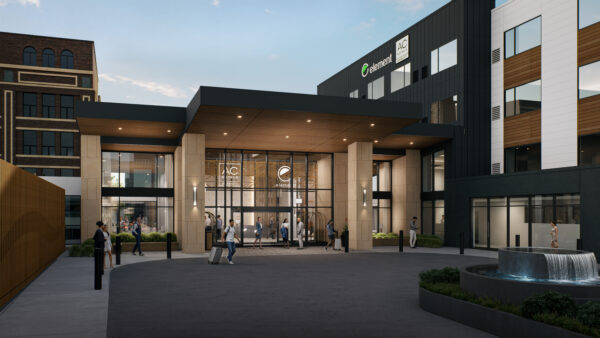
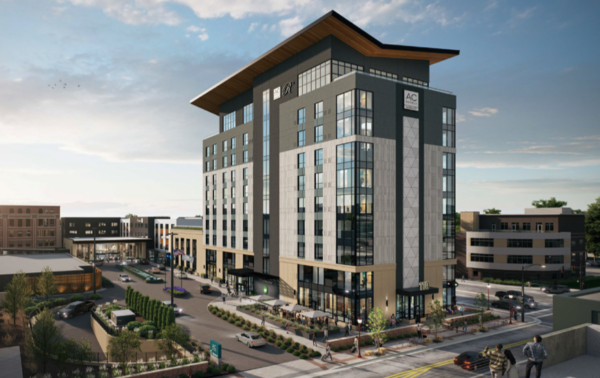
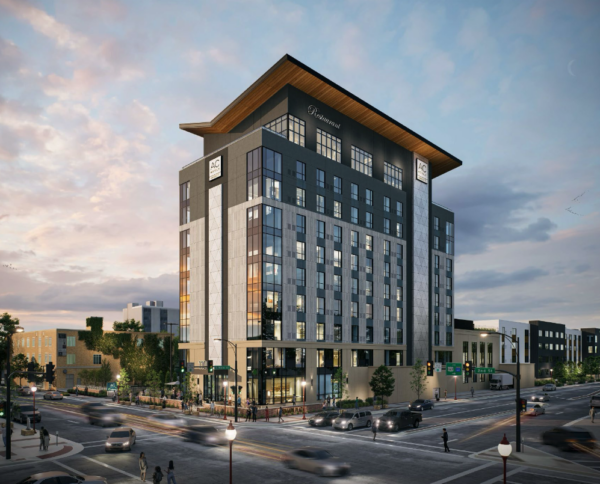
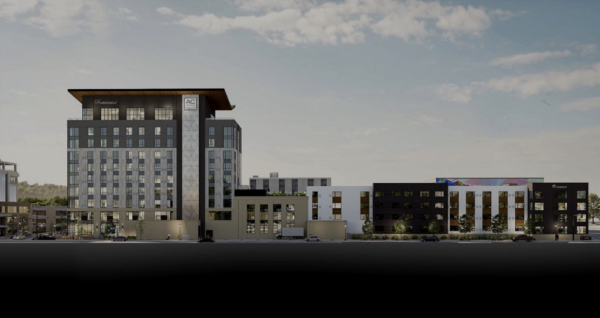
Construction is expected to begin in October 2026, with approximately $75 million in debt financing. Along with the initial local investment group, Sowers brought in TPI Hospitality. TPI Hospitality brings significant operating experience to the project. The Willmar-based company has spent more than 53 years developing and operating hotels, restaurants, and conference centers, with a portfolio connected to major national brands including Hilton, Marriott, IHG, Hyatt, and Margaritaville.
“I invited TPI in right away,” said Sowers. “It’s exciting to have them now be a member of this community. They had been looking for five years to enter here but never pulled the trigger. They are highly respected, and the best operator in Minnesota.”
The hotel is meant to anchor downtown activity, bringing in visitors, supporting events, and driving foot traffic for nearby businesses.
In total, the hotel project will have 280 rooms: 151 in the Marriott AC and 129 in the extended-stay Element. The two brands are complementary, with similar upper-upscale style and amenities. The location’s connection to Mayo Clinic Health System Event Center events, medical stays, and year-round community sporting events provides a mix of demand for both business travel and extended stays. The strategy also integrates with the MSU Future State plan, which is expected to generate thousands of new room nights through increased campus events and a projected enrollment increase of more than 4,000 by 2031, supporting downtown activity around restaurants, entertainment, and social gathering. An additional part of the strategy was to add new multifamily and retail density, with the hotel serving as a catalyst for those investments.
Surprenant said, “The need is there. To maximize the 1995 civic center investment, more rooms are needed. To support the multitude of businesses who have come to downtown Mankato since the revitalization has begun, hotels are needed. Many downtown businesses cannot have certain events in Mankato because of the lack of rooms. ISG has invested in this project. Tara, my wife, and I have done the same because we recognize what a difference-maker this is. This will be a big positive step for Mankato in its progression of decades to a brighter future.”
The Walgreens site: a mixed-use hub
The former Walgreens property is being repositioned as a $73 million mixed-use development, combining multifamily housing, office space, and retail spaces.
It’s one of the clearest examples of the plan’s philosophy: layering complementary uses to create constant movement and interaction.
“Kilbourne Group and I are co-developing it, but we started the development locally with Ryan Evenson, owner of APX Construction; Matt Peterson, owner of Elevate Roofing; Tony Jones, owner of Express AutoCare; and Dr. Jeff Mair (a TCO surgeon who grew up near Fairmont and still frequents Mankato). This group was excited by the idea of being invited to help enhance a strategic asset: downtown,” explained Sowers. “Being part of transforming a key part of the community into a regional amenity that provides a nexus of new economic activity and social opportunities for future generations encapsulates it well. It’s also a full city block of intentional reinvention, and that provides a unique invitation that is very uncommon for development. The group views this as a complementary bookend project for the downtown revitalization with the Hotel.”
Post Office: from function to destination
The proposed $48 million Post Office redevelopment is set to include hospitality, restaurant, office, and retail components.

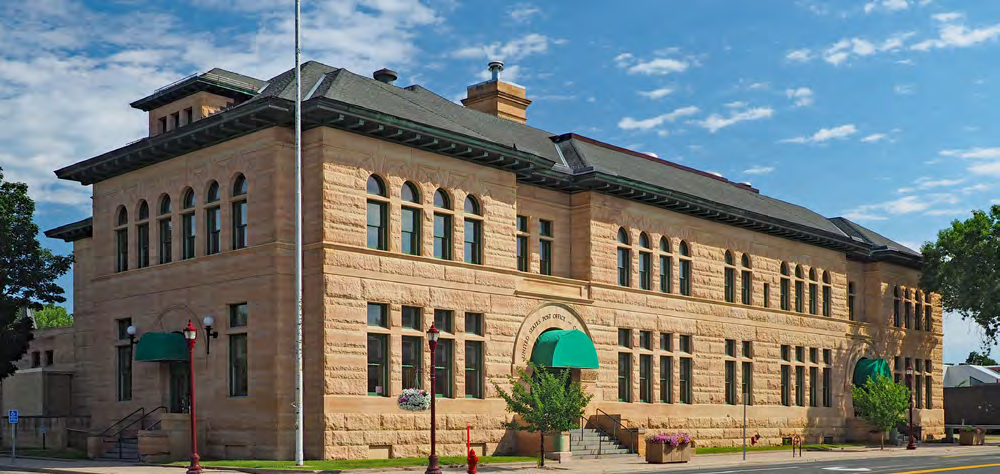
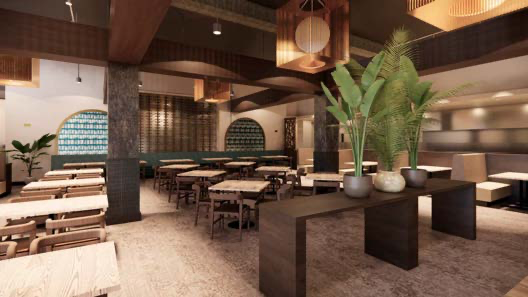
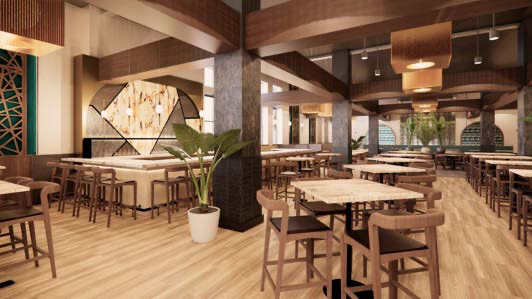
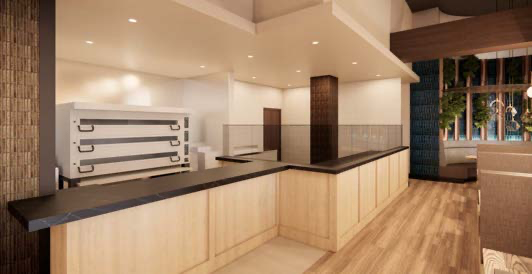
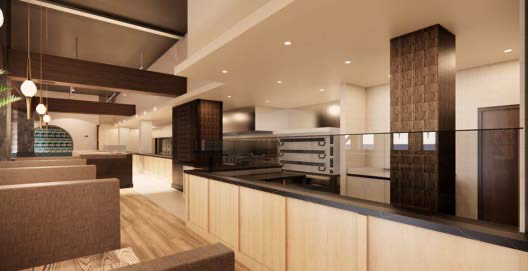
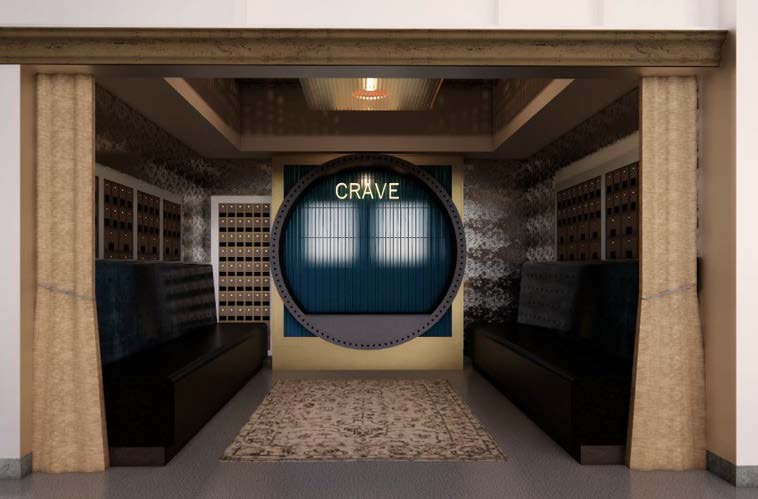
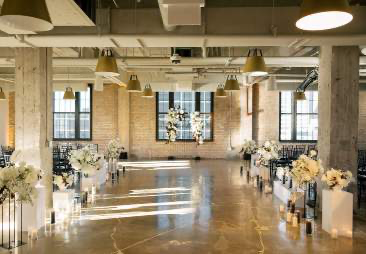

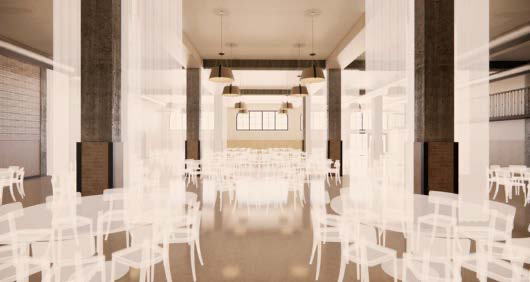
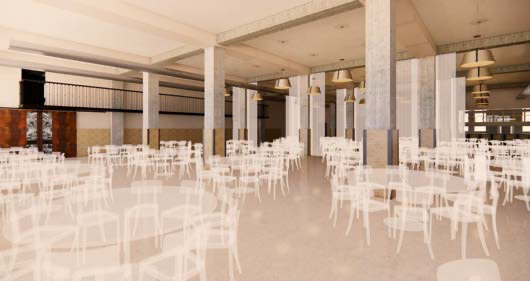
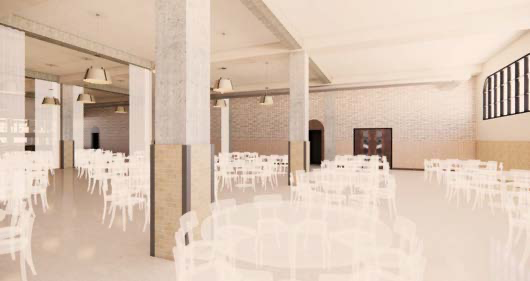
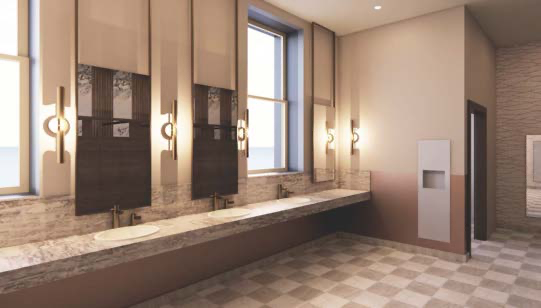
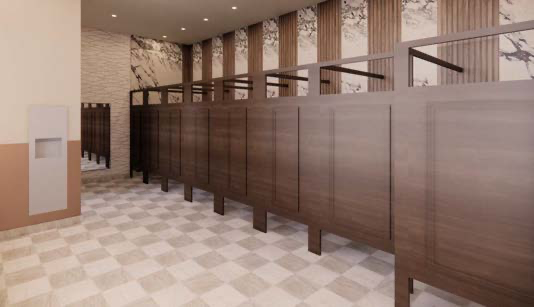
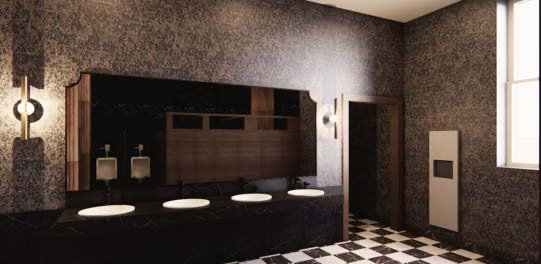
A restaurant tenant, Crave, has already been secured, signaling early traction and validating the strategy.
“The Post is a historic property being revitalized to create an attraction of differentiation for the downtown district. The upper floors are intended to be complementary to the main floor restaurant and wedding/event space with health services businesses such as skin care, nail care, hair care, massage, spa, and beauty services in the first phase. A second phase of this development is intended to be a major hotel brand with a parking ramp connected to the historic Post Office. The vision is to create a one-of-a-kind hospitality, health services, entertainment, and event space that will host multiple weddings or events each weekend in a thriving downtown district,” said Sowers.
Former bank site: adding residential density
An estimated $40 million to $50 million redevelopment of the former bank site will focus on housing and office space, further strengthening the residential base downtown. These plans are more preliminary at the moment. Sowers indicates this site will enter a more formal design process after the hotel, former Walgreens, and the Post Office are under construction.
A closer look: Front Street Place
Perhaps the most tangible example of the future downtown is the planned Front Street Place development at 602 S. Front Street.
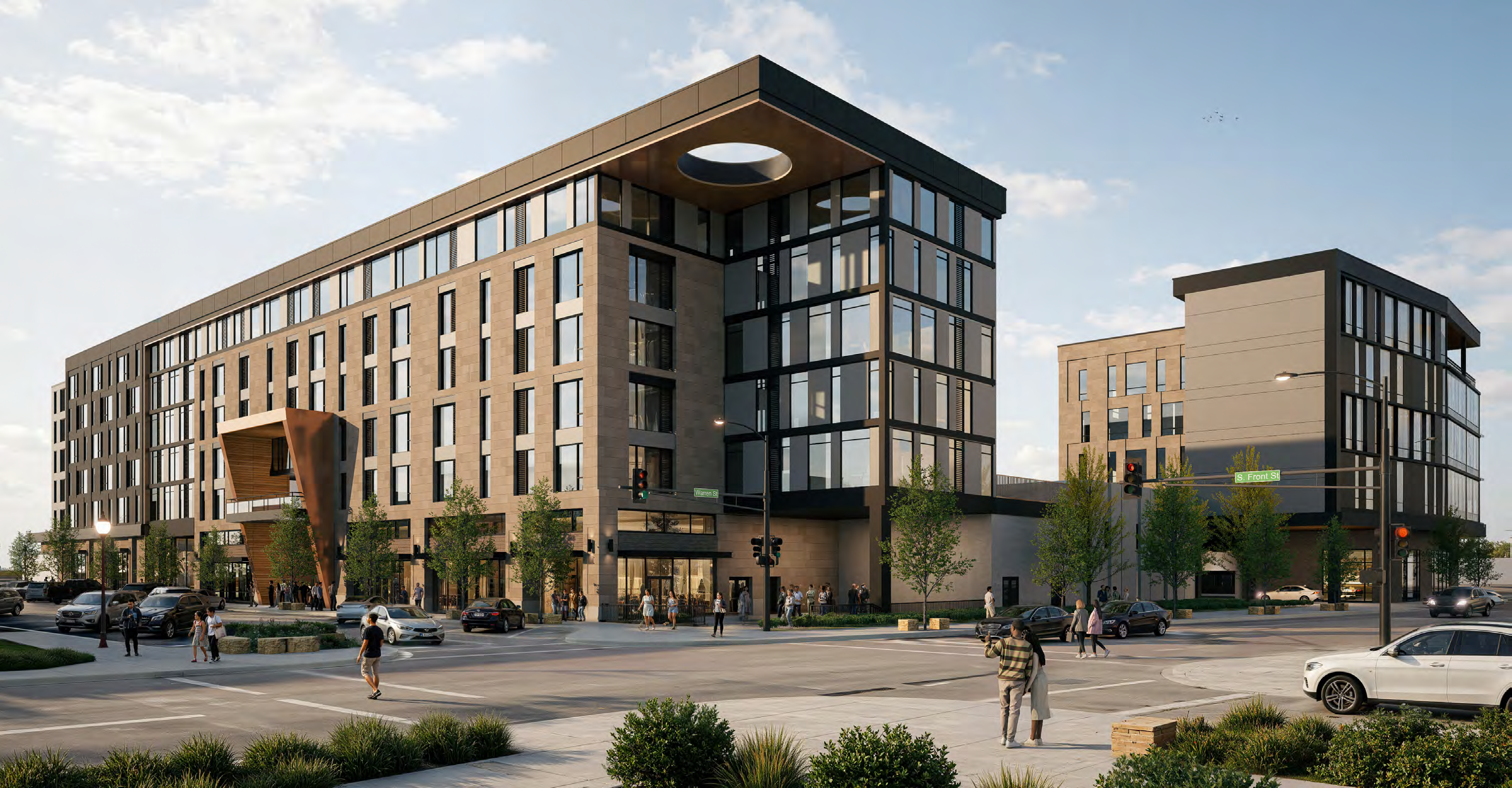
The numbers tell the story:
- 307,680 total square feet, including retail, office, and multifamily
- 33,000 square feet of retail, creating a full city block reimagined at the gateway to MSU’s campus
- 37,400 square feet office/retail overlooking the river valley
- 165 apartments, with a mix of market rents
- 12,800 square feet of outdoor amenities
- More than 250 parking stalls
It’s essentially a small neighborhood in one project and a blueprint for what other sites could become.
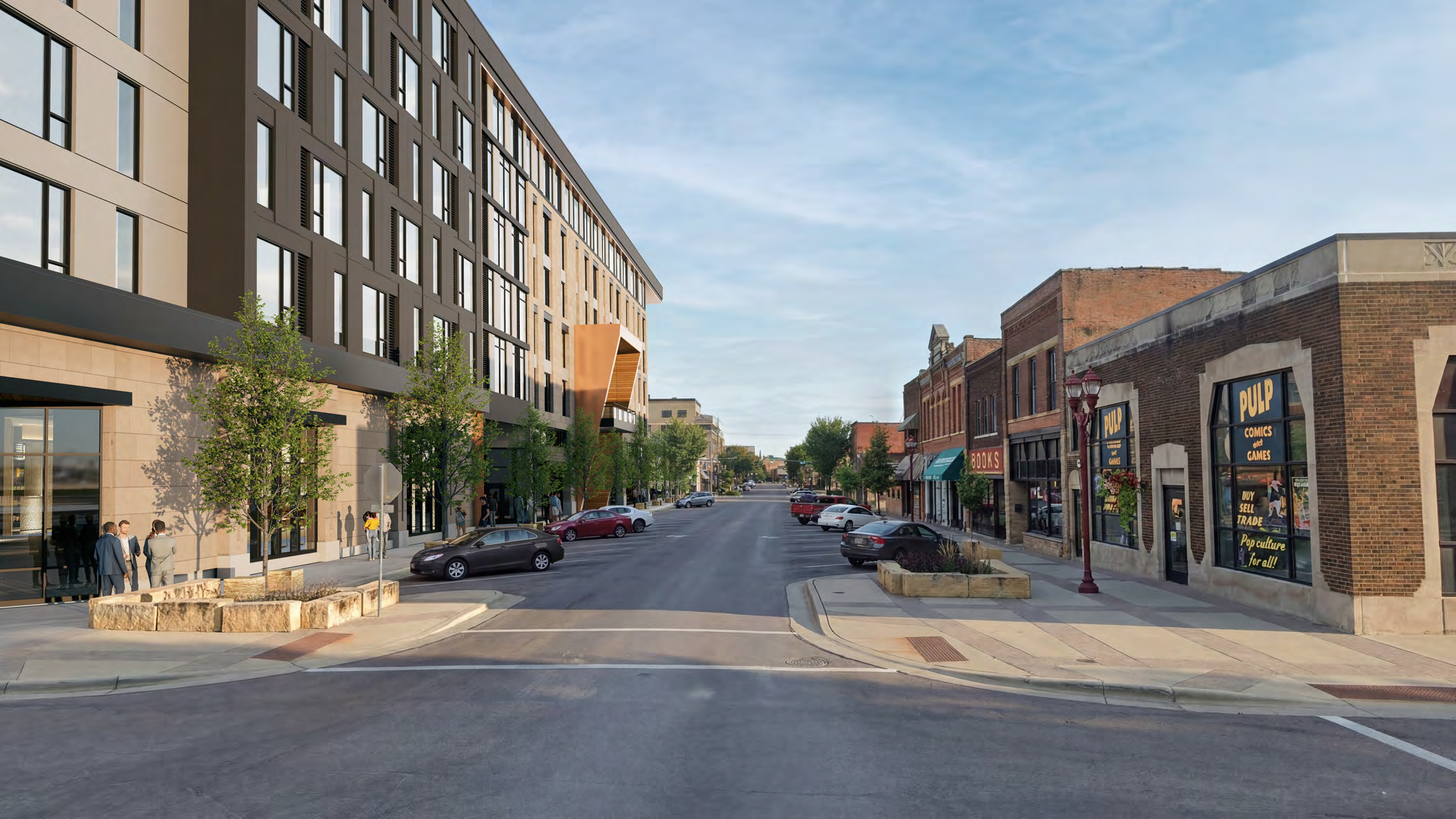
The project has already secured a $1.16 million grant from the Minnesota Department of Employment and Economic Development (DEED) to support demolition and site preparation.
Bringing in outside expertise, carefully
While local investment is central to the approach, the initiative isn’t operating in isolation.
The Kilbourne Group, a Fargo-based developer with more than $500 million in urban development experience, has partnered on the Walgreens site.
“We didn’t want to reinvent the wheel,” Sowers said. “We wanted to understand what worked, what didn’t, and apply that here.”
Known for its work in walkable, mixed-use districts, the firm brings lessons from similar markets across the Midwest, most notably Fargo, North Dakota, which has been viewed as a successful model for Mankato’s vision.
“Kilbourne Group has spent more than 20 years helping revitalize downtown Fargo, a Midwest metro with many similarities to Mankato,” explained Mike Allmendinger, president of Kilbourne Group. “Through that experience, we’ve learned that when a community has a diverse economy, strong university presence that promotes workforce retention, and a shared community vision, they have all the right elements to create long-term vibrancy. We believe Mankato aligns well with the type of mixed-use, walkable environments we’ve helped create in Fargo, which made us excited to partner on the Front Street project.”
Kilbourne’s involvement also signals broader confidence in Mankato’s potential and lends credibility to the idea that Mankato is being noticed beyond the region.
“We are encouraged by the momentum created by recent projects and are excited to contribute to the continued growth and energy of the district alongside our partners,” said Allmendinger. “We recognize this work is complex and requires long-term commitment, which is reflected in the community’s dedication to a thriving downtown. Our current focus is delivering a successful Front Street project, and we remain confident in the market’s future as we explore additional opportunities in downtown Mankato.”
A gateway to MSU and future growth
Another key driver behind the plan is its connection to Minnesota State University, Mankato.
City leaders and developers see downtown as a natural extension of the campus, a place where students, faculty, and professionals can live, work, and socialize.
The timing is important. MSU expects to grow by more than 4,000 students by 2031, creating additional demand for housing and amenities.
The redevelopment effort aligns with both the university’s future plans and the region’s broader “Transforming Tomorrow Together” initiative.
In many ways, the strategy is about capturing that growth and positioning it to benefit Greater Mankato.
Retaining talent by building experience
For years, one of Mankato’s biggest challenges has not been attracting talent, but keeping it.
Graduates often leave for larger cities with more lifestyle options.
Sowers sees downtown as the solution.
“We’ve heard it over and over: create an amenity that keeps young people here,” he said. “This is about making the entire downtown that amenity.”
The plan isn’t just about housing units. It’s about creating a sense of place:
- Restaurants and nightlife
- Walkable streets
- Public gathering spaces
- Riverfront views
- Year-round activity
In short, the kind of environment where people want to live, not just work.
Not without challenges
Of course, a project of this scale doesn’t come without hurdles.
Construction costs have risen significantly, impacting timelines and budgets. The planned hotel project is now estimated to cost about 12% more than it would have two years ago.
There are also the complexities of coordinating multiple developers, investors, and public stakeholders, all while keeping projects aligned and moving forward.
For some longtime residents, the scale of new buildings, public financing, construction disruption, and changing downtown character raise real questions about what Mankato’s core should become.
Still, Sowers believes the collaborative model helps address these challenges.
“In the past, if one developer decided a project was too risky, it just didn’t happen,” he said. “Now, we have a way to move forward together.”
A phased approach to building momentum
Rather than unveiling the entire plan at once, developers are intentionally rolling it out in phases.
The idea is to show progress, build confidence, and include many who may not have expected to participate in transforming the community with tangible results.
“If we had gone public with the full vision at the beginning, it might have overwhelmed people,” Sowers said. “Instead, we’re showing progress and executing step by step.”
So far, that strategy appears to be working. Community response has been largely positive, with growing interest from both investors and businesses.
Looking ahead: more pieces to come
There’s still a lot to unfold.
Additional tenants are being finalized, including a yet-to-be-announced grocery anchor that could further enhance downtown’s appeal as a residential destination.
New sites will come online. More investors will join. The network of projects will continue to grow.
But perhaps most importantly, the development model itself is designed to evolve.
An intentional reinvention
Taken together, the downtown Mankato initiative represents something bigger than redevelopment.
It’s what Sowers calls “intentional reinvention”: a coordinated effort to reshape how the city grows, invests, and creates community.
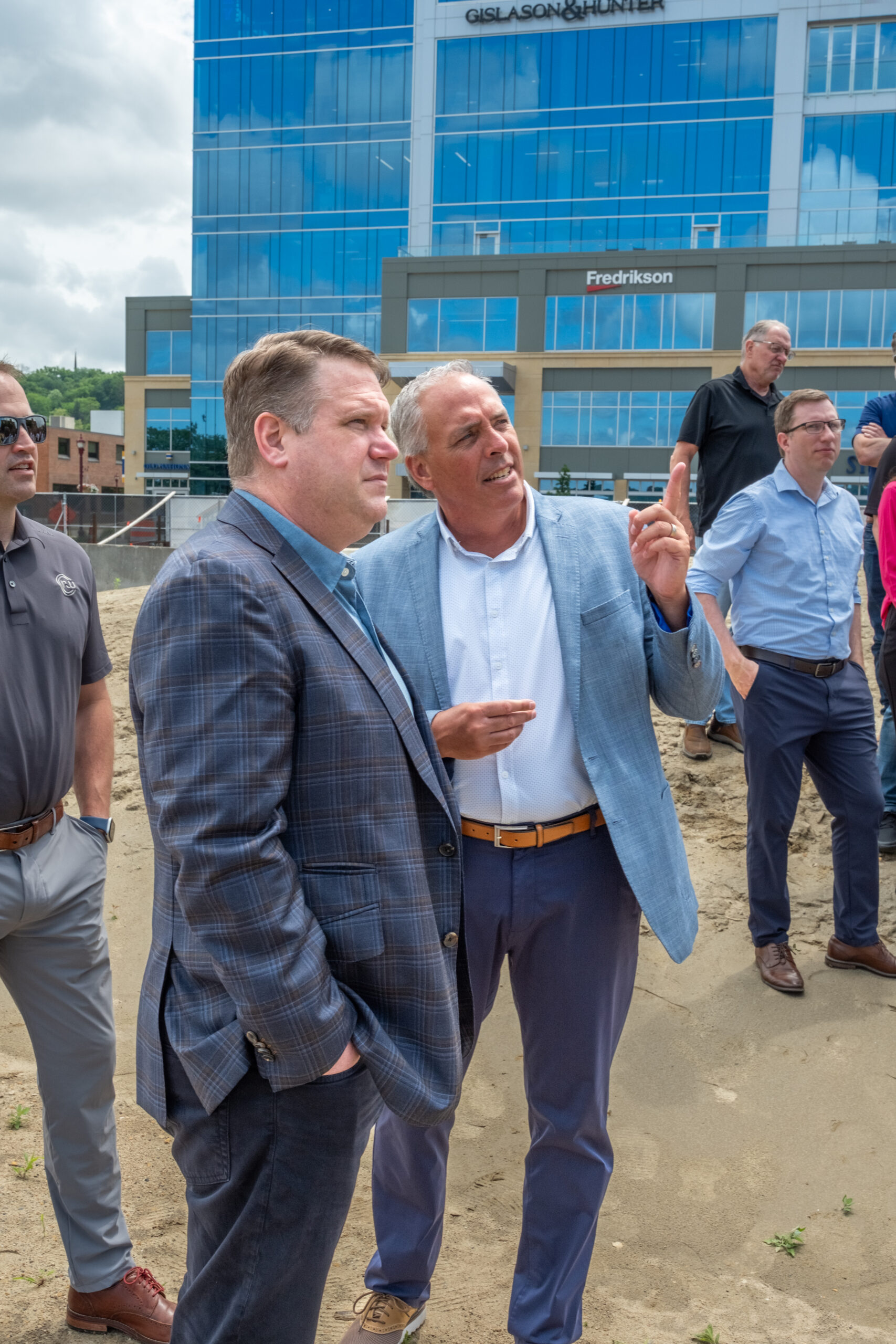
Chris Flag (left) and Bryan Sowers (right) on the Hotel Mankato development site.
And while the full impact won’t be seen overnight, the direction is already clear.
“If we do this right,” Sowers said, “the next generation will build on it and take it even further.”
As the model progresses, downtown Mankato will gain more than new buildings. It will gain residents, activity, local ownership, and a way of building that does not depend on one developer, one project, or one generation carrying the future alone.