

From The Roof Down: Danny Shaw is quietly re-laying what a construction company can be.
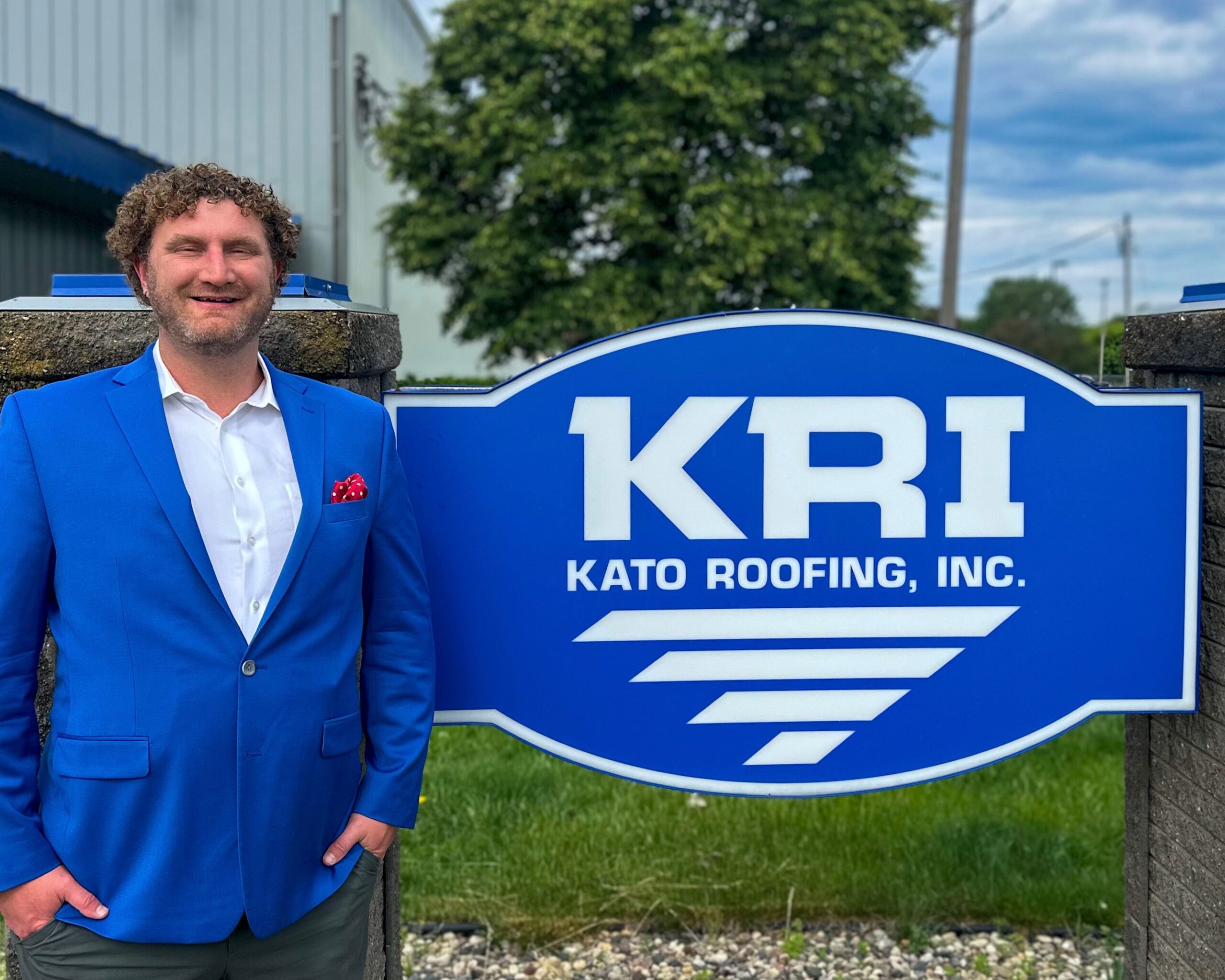
The new CEO of KRI didn’t come from roofing. He came from rock bands, tech offices, and Oracle boardrooms. That might be exactly why he’s the right person for the job.
Danny Shaw takes a call between job sites on a Tuesday morning, somewhere between Buffalo and Mankato on Highway 169. His playlist, if you’re curious, might be Olivia Dean sliding into Electric Light Orchestra followed by something from Chick Corea. It’s that kind of mind, restless, open, and curious, that fuels him.
Nine months into his role as CEO of KRI, a nearly 50-year-old, family-owned commercial roofing company headquartered in Mankato, Shaw is doing something that doesn’t happen often enough in the trades: he’s making people want to work there.
“We’ve had folks coming to us from other roofing companies,” he says, “because the word of our unique culture and how we treat our employees is spreading.”
Across KRI’s 50-employee team, Shaw is pushing a cultural shift built on respect, empowerment and the kind of support that strengthens performance and safety. KRI is doubling down on training and development, from leadership coaching for emerging talent to OSHA 10 certification for every field team member. Weekly toolbox talks, daily jobsite safety briefings and skills assessments to support a culture of growth and well-being, central to KRI’s mission.
The Long Way to the Roof-Top
Shaw’s career path unfolds like a jazz progression, spontaneous and fluid, yet intentional. These layered experiences are shaping the tempo of his leadership at KRI.
He grew up on a hobby farm north of Dayton, Ohio, the son of an engineer and a librarian. He enrolled at Wright State with dreams of becoming a federal appellate judge. While earning and funding his bachelor’s degree, Shaw managed a Dorothy Lane Market store, mixed martinis, and opened a door-to-door sales office. Then his band, “Matter of Chance,” got signed and landed on the radio during an era when radio was everything.
When that chapter closed, he found his way to Louisville, Kentucky where he bounced between bands and played piano at upscale restaurants while working at an e-commerce fashion retailer for a stable income before eventually earning his way into the world of enterprise software. This wasn’t by design, but because someone needed a person who could run something, and Shaw was there to do the job.
He co-founded SkuVault, the first cloud-based Fulfillment By Amazon automation warehouse management software company, and helped grow it from a four-person startup in Louisville to offices in Mariupol, Ukraine, and Ufa, Russia. Over five consecutive years, growth surged at more than 500%, earning SkuVault a spot on Inc. Magazine’s list of American’s fastest-growing private companies three years in a row – climbing to No. 541 in 2015.
Later, as a global partner manager for Avalara, he helped execute the first Oracle Cloud ERP resell engagement between two tech companies, a landmark deal that caused an uproar throughout a global software ecosystem. Shaw was traveling the globe working directly with the tech giant C-suite building scalable, go-to-market programs that fueled enterprise growth.
Then he moved to Minnesota for love, and eventually, for family.
A 911 Turbo Meets a LS6 Chevelle
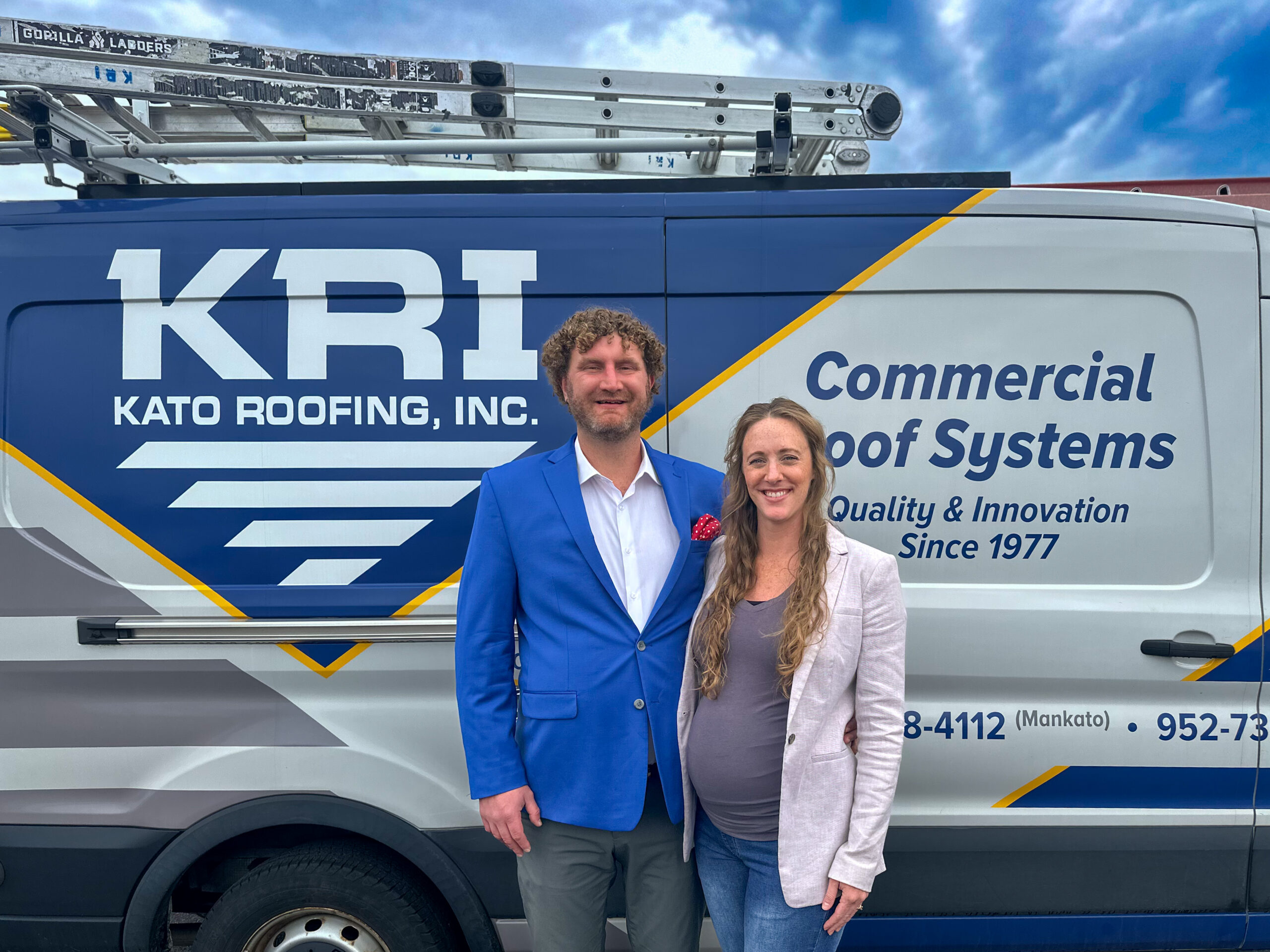
Shaw met Tori Hagen, KRI’s President and majority owner, online in 2022, while he was living in Park City, Utah. It was love at first video chat, and the two decided to make Minnesota their home, eventually marrying in 2025.
As she got to know him, Hagen saw something others might have missed: the skills to scale a tech startup aren’t entirely different from what a nearly half-century-old roofing company needs to grow and innovate.
“She said, ‘You’ve founded and scaled companies, and worked for multi-billion dollar companies. Come join the family business,’” Shaw recalls, with the kind of smile that lights up the conference room at KRI’s headquarters located at Lundin Avenue in Mankato.
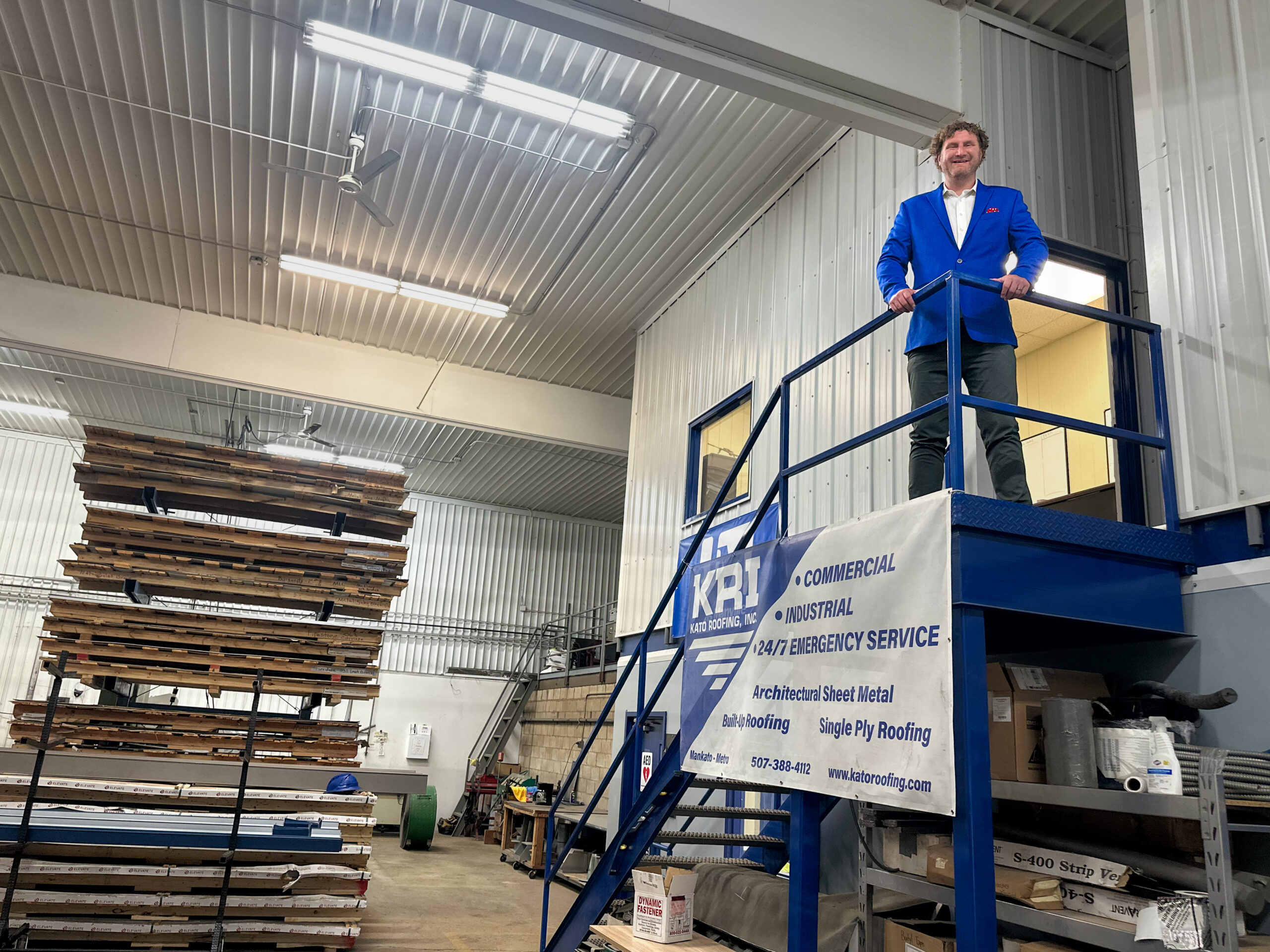
When asked about the stark contrast from moving from corporate to a family business, Shaw notes, “There are fewer boundaries with family business. Soft skills work differently, and there’s a bit more emotional attachment and cautiousness. Pace differs. It’s slow until it’s not.”
“Running a tech business is like driving a 911 Turbo,” he says. “It’s precise, it’s technical, and if you know how to drive it, it’s predictable. Running a construction company is more like driving a LS6 Chevelle . There’s a lot of power there, but when you apply it, you don’t always know how the car’s going to react. Variables like weather, labor, and supply chains randomly cause you to shift gears or mash the brakes. Construction requires a different kind of leadership, one with less precision and more riff.”
Shaw has been mentored by Jeff Hagen, former KRI founder, CEO and President, who returned to the business in 2017, now serving as a technical advisor and KRI Roofing Professor. Danny is on rooftops often asking and learning from field crews on the intricate details. He traces decisions all the way down to the decking.
“Every day, I learn more from our field team than they’ll ever learn from me,” he says. And he means it.
Building the Culture Nobody Expected
KRI has a new leadership team in place. It’s one of the things Shaw is most proud of having accomplished since joining the Company last year. Some were promoted from within, including a field worker now thriving as superintendent and leading the company’s new employee skills assessment program. Others came from competitors, drawn not by pay, but by something harder to quantify.
One employee left a national competitor and came to KRI because he heard it was different.
“Here, he feels like we’re supporting him in how he wants to grow and we work as a team,” Shaw says. “We win together and we lose together. That’s what defines a championship team. A lot of teams can win. It’s how they recover from a loss that builds a dynasty.”
Shaw is also quietly dismantling the machinery of old-school management. The reactive calls, the tribal knowledge stored only in someone’s head, the gut-driven decisions that don’t survive someone leaving the company. He trained the team to move equipment tracking into Smartsheet, giving field crews real-time mobile access to location, condition, serial numbers, and maintenance history.
What takes most construction project managers and superintendents hours of phone calls and job site driving now takes KRI a few taps on a phone. The goal is autonomy. “I want to get to the point where we’re running independently, and I can look at the metrics and understand where we are at, which is key for us to scale.”
Workforce Headwinds
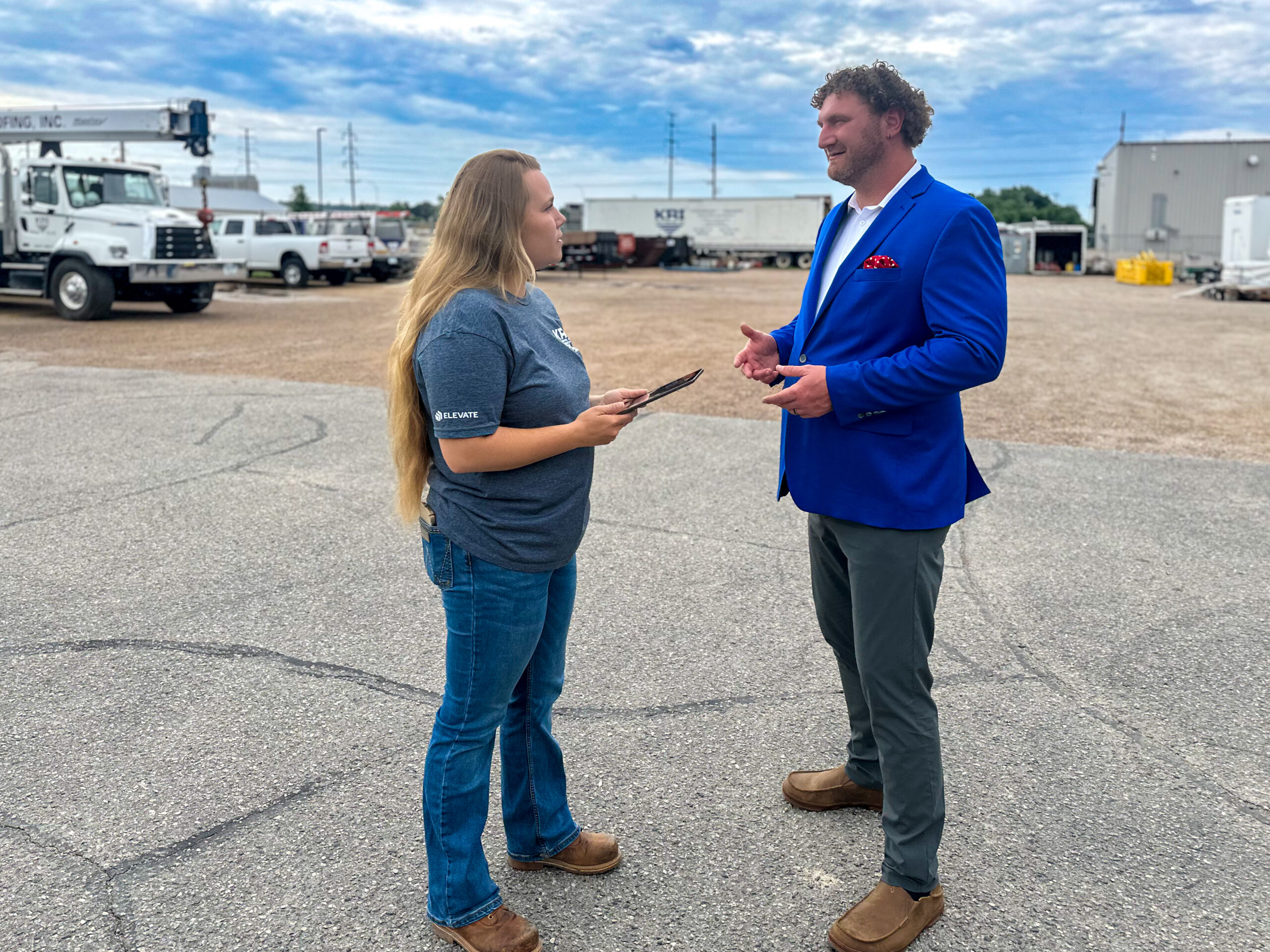
Ask Shaw what worries him and the answer comes quickly: workforce.
The construction industry is projected to lose 40% of its workforce to retirement and socioeconomic factors in the coming years, according to Associated Builders and Contractors, a national trade association. The pipeline to backfill is thin. Shaw connects that directly to a cultural mistake made decades ago: the idea that college was the only worthy path.
“If you look at American Society before the ’80s, it was a point of pride to be a tradesman,” he says. He intends to bring that pride back. KRI recently helped sponsor a young employee through crane school and CDL certification. At age 20, he was the youngest certified crane operator in the United States. During his first job operating a crane, a job superintendent, who couldn’t see who was inside the cab, stopped to say he was one of the best operators he’d ever watched.
KRI is also working to recruit more women into the industry, not just in administrative roles, but on job sites, in project management, and in technical positions that Shaw says are far more nuanced.
“Not all construction jobs are grueling labor carrying a bundle of shingles up a ladder,” he says. “Some of those jobs on the roof and on job sites are very technical and detail-oriented.”
A Transformational Leader
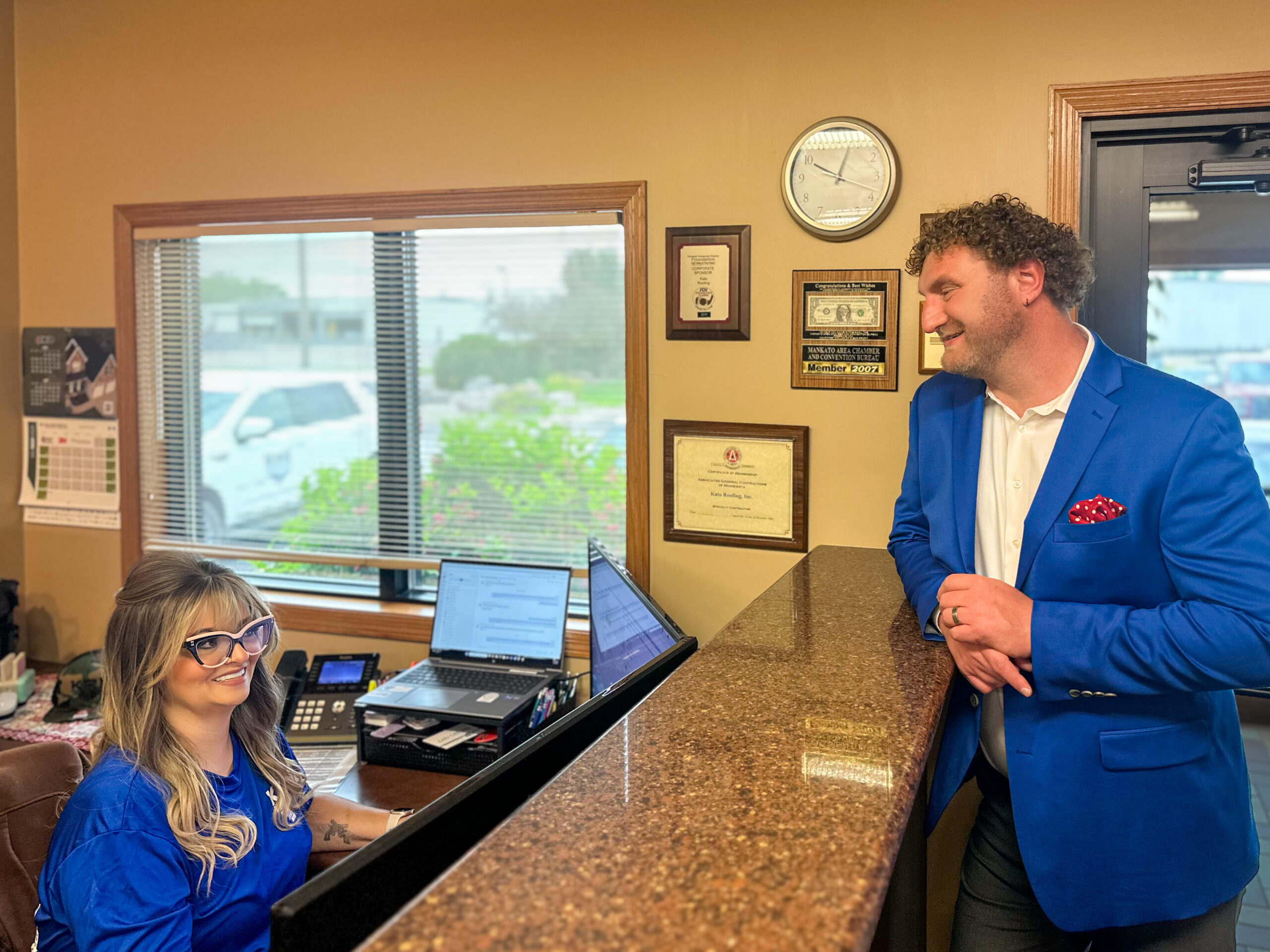
Shaw defines himself as a transformational leader, and not just in theory, but how he approaches change, innovation and team building. “This is the way we’ve always done it,” will not cut it for Shaw.
He’s careful to clarify he’s not opposed to tradition when it works. He’s opposed to tradition used as a shield against curiosity. “If somebody uses that phrase as a way to prevent trying new things, I don’t see them being successful for very long.”
What’s Next for KRI
Shaw’s vision for KRI isn’t about being the biggest commercial roofing contractor in the Midwest. It’s about being the best, defined by best culture, best quality, best customer experience. The kind of company trusted with projects like Johnson Outdoors and Mayo Health Systems expansion projects. Recent projects include VINE Faith in Action, AXIS Lofts, Mankato Water Treatment Plant, and Poplar Apartments, each reflecting KRI’s commitment to quality and community impact.
And as KRI continues to stand out, so will Shaw’s next chapter. He and his wife, Tori, are preparing for their next transformational role: becoming parents. They are expecting their first child in August.
Dan Shaw is the real deal.